
Factory New Ammo: What It Means and Why Shooters Prefer It
Why settle for handloads or questionable surplus when factory new ammunition delivers guaranteed, uniform performance straight from the box? Each round is manufactured under strict tolerances with fresh propellant, new primers, and precisely seated bullets, ensuring consistent pressure curves and reliable ignition cycle after cycle. This predictability translates directly to tighter shot groups, smoother feeding, and fewer malfunctions, making it the optimal choice for hunters and competitive shooters who demand repeatable accuracy without any guesswork. Simply select the correct caliber for your firearm, store it in a cool, dry place, and load it as you would any other ammunition for immediate, dependable function.
What Exactly Makes Ammunition “Factory New” and Why It Matters
Factory new ammunition means it was loaded with 5.56 Ammo for Sale fresh, unfired brass cases, new primers, virgin propellant, and newly manufactured bullets, assembled under controlled production conditions. Unlike reloads or remanufactured rounds, these cartridges have never been cycled through a firearm, so case dimensions, neck tension, and overall length are perfectly uniform. That consistency matters because it ensures reliable feeding, consistent chamber pressure, and predictable ballistics from the first shot to the last box. For defensive or competition use, factory new ammo eliminates variables like resized case walls or weakened primer pockets, which can cause misfires or pressure spikes. The practical benefit is absolute repeatability. Q&A: What distinguishes factory new ammo from remanufactured rounds? Factory new uses virgin brass and unused components, while remanufactured uses fired and resized cases—so factory new offers tighter tolerances and zero fatigue risk in the case head.
The True Definition: Fresh Production vs. Remanufactured or Surplus
True factory-new ammunition means fresh production: virgin brass, new primers, untouched propellant, and freshly drawn projectiles assembled in a single manufacturing run. Remanufactured rounds use fired casings that are resized, reprimed, and reloaded, while surplus ammo is military overstock—often decades old, with unknown storage conditions. The distinction matters because fresh production guarantees consistent headspace, uniform case wall thickness, and predictable ballistic performance. A remanufactured round can shoot as accurately as new, but its structural integrity depends entirely on how many times the brass was reloaded and how aggressively it was resized. Surplus, by contrast, may exhibit corrosion, hard primers, or unstable powder. For defensive or precision use, virgin factory-new ammunition eliminates all variables linked to prior use or aging, offering the only truly verifiable baseline for pressure and reliability.
Q: Is remanufactured ammo ever as safe as factory-new?
A: It can be safe if done by a reputable loader using ultrasonic-cleaned brass and gauged to spec, but you cannot independently verify its reload count or thermal history, so fresh production remains the only guaranteed zero-degradation option.
How Factory Sealing and Packaging Protect the Cartridge from Day One
Factory sealing and packaging protect the cartridge from day one by creating a physical barrier against moisture, which is the primary enemy of consistent ignition. The airtight seal around the case mouth and primer prevents humidity from degrading the propellant, ensuring the powder burns at its designed pressure curve. This factory-new moisture barrier also blocks airborne contaminants like dust and oil from settling on the primer compound, which could cause misfires. The rigid outer box prevents physical deformation of the case neck and bullet seating, preserving the concentricity needed for accurate flight. Additionally, the individual cartridge slots or trays stop brass-on-brass friction that could scratch the case, preventing stress points. Every layer, from the inner seal to the outer carton, is engineered to deliver the round exactly as the manufacturer intended, with no environmental alteration between production and your chamber.
Key Differences in Primer, Powder, and Bullet Quality You Can Verify
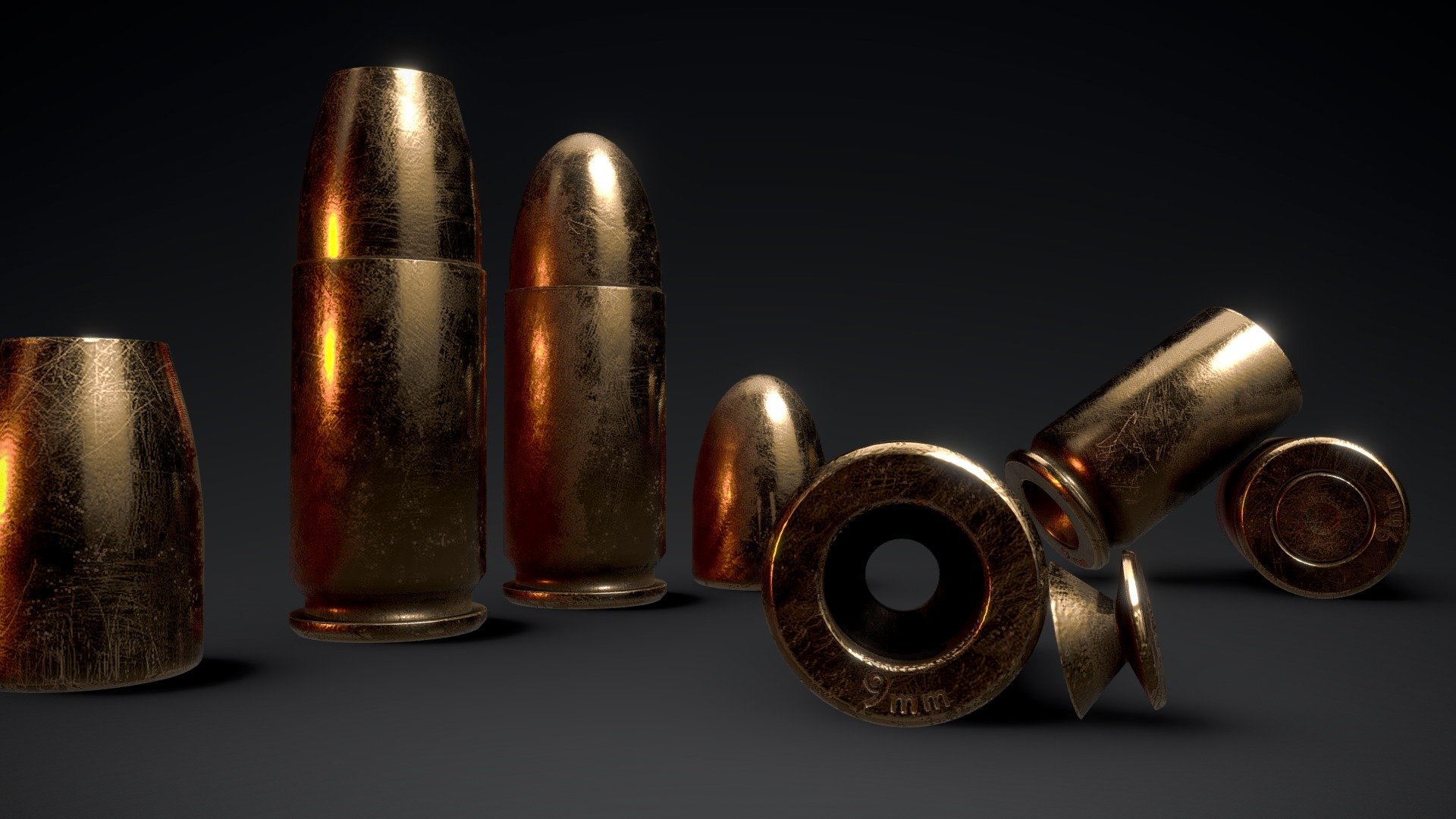
Primer quality is the first thing you can verify: factory-new rounds use consistently seated, crimped primers specialty sports & supply that sit flush or slightly below the case head, whereas reloads often show proud or uneven primers. Powder charges differ visibly in weight and burn rate—new ammunition delivers uniform, metered loads that produce consistent velocities, while handloads can vary by grain, causing pressure spikes. Bullet quality separates further: factory-new projectiles have flawless copper jackets, no creases, and precise cannelure placement, plus a solid crimp that resists setback when pressed against a hard surface. You cannot see burn rate, but you can weigh ten rounds to confirm powder charge consistency. Ultimately, these checks reveal why factory-new ammunition guarantees repeatable chamber pressure and accuracy that mixed components simply cannot match.
How to Inspect Your Fresh Ammo Before You Load a Single Round
Before loading a single round of factory new ammo, visually inspect each cartridge for **case mouth integrity**, as even pristine boxes can hide a seating anomaly. Check primers are seated flush, not protruding or pierced, and that the bullet is crimped without visible gaps. Rotate each round to catch dents, corrosion, or green tarnish, which indicate poor storage despite new status. Run fingers along the case wall to detect burrs that could impede chambering.
A shiny new round can still have a cracked case mouth Ammo Cans & Storage for Sale from rough handling during packaging, so reject any cartridge that feels off.
Finally, verify headstamp uniformity on every round to confirm lot consistency before your magazine sees a single cartridge.
Checking Case Length, Primer Seating Depth, and Bullet Tension at Home
Before firing that box of factory fresh rounds, give them a quick home inspection. Start with **case length checks** using a caliper, because federal factory brass is consistent but not always perfectly trimmed, and an over-long case can spike pressure. For primer seating, run your fingertip across the base; a proud primer sits above the case head, which can cause misfires or slam-fires—it should feel flush or slightly recessed. Bullet tension is trickier: grab the bullet and twist gently; if it rotates in the case mouth, you’ve got a loose pull that could shift under recoil. A tiny wobble here is a warning, not always a dealbreaker, but it deserves attention. Follow this sequence:
- Measure case length at the mouth—write down any that exceed SAAMI max.
- Feel the primer pocket flushness and visually check for uneven seating.
- Test bullet tension on a few rounds by applying firm finger pressure—no movement is 7mm PRC Ammo for Sale ideal.
If all three pass, you’re good to load. If not, set those aside—your firearm’s chamber and extractor will thank you later.
Spotting Cosmetic Tarnish That’s Harmless vs. Real Damage to the Projectile
When inspecting factory new ammo, harmless cosmetic tarnish appears as a dull, uniform haze or light grey patina .17 HMR Ammo for Sale on the projectile, often from simple oxidation during storage. This surface film wipes off with a dry cloth and leaves the bullet’s finish intact—no pits, no roughness, no dimensional change. Real damage, by contrast, shows as sharp, localized discoloration that resists wiping, often accompanied by tiny craters, flaking, or a greenish crust indicative of corrosive reaction. Run your thumbnail across the spot: if it catches on a depression or rough edge, the jacket is compromised. A tarnished round will still chamber and fire reliably, while a damaged projectile risks fouling your barrel or degrading accuracy. Trust your eyes and fingertips—only physical defects, not patina, warrant rejection.
The Best Way to Handle, Store, and Rotate Unfired Boxes for Long-Term Reliability
For long-term reliability, treat unfired factory boxes like perishable assets, not decor. Proper ammo storage rotation begins with sealing each box in a mylar bag with a desiccant before placing it in a rigid, lid-sealed container. Store that container off concrete floors, in a cool, stable environment below 75°F with low humidity. Rotate by labeling every box with purchase date, then employing a strict first-in, first-out system—pull from the oldest batch for range sessions while new stock goes to the back. Even sealed factory ammo degrades faster from temperature swings than from steady, moderate warmth. Inspect quarterly for corrosion or dented primers; discard any box showing compromise. Never stack boxes beyond five high, as pressure can crush rim profiles.
Matching Fresh Cartridges to Your Firearm for Maximum Accuracy
For maximum accuracy, factory new ammo must be matched to your firearm’s specific chamber and rifling twist rate. Fresh cartridges with the correct bullet weight stabilize predictably, while mismatched loads produce erratic groups. Always test several factory new ammo loads in your rifle or pistol, as each barrel has a unique harmonic preference—the lot that prints the tightest cluster is your match. Pay attention to bullet seating depth and case length in fresh rounds; one lot of factory new ammo can vary by 0.005 inches in headspace, which shifts point of impact. When you find a batch that delivers sub-MOA or one-hole groups, buy the same SKU and lot number. Factory new ammo ensures uniform powder charge and consistent neck tension, letting you trust every fresh cartridge for repeatable, precise shots.
Why Chamber Dimensions and Rifling Twist Rate Dictate Your Best Bullet Weight
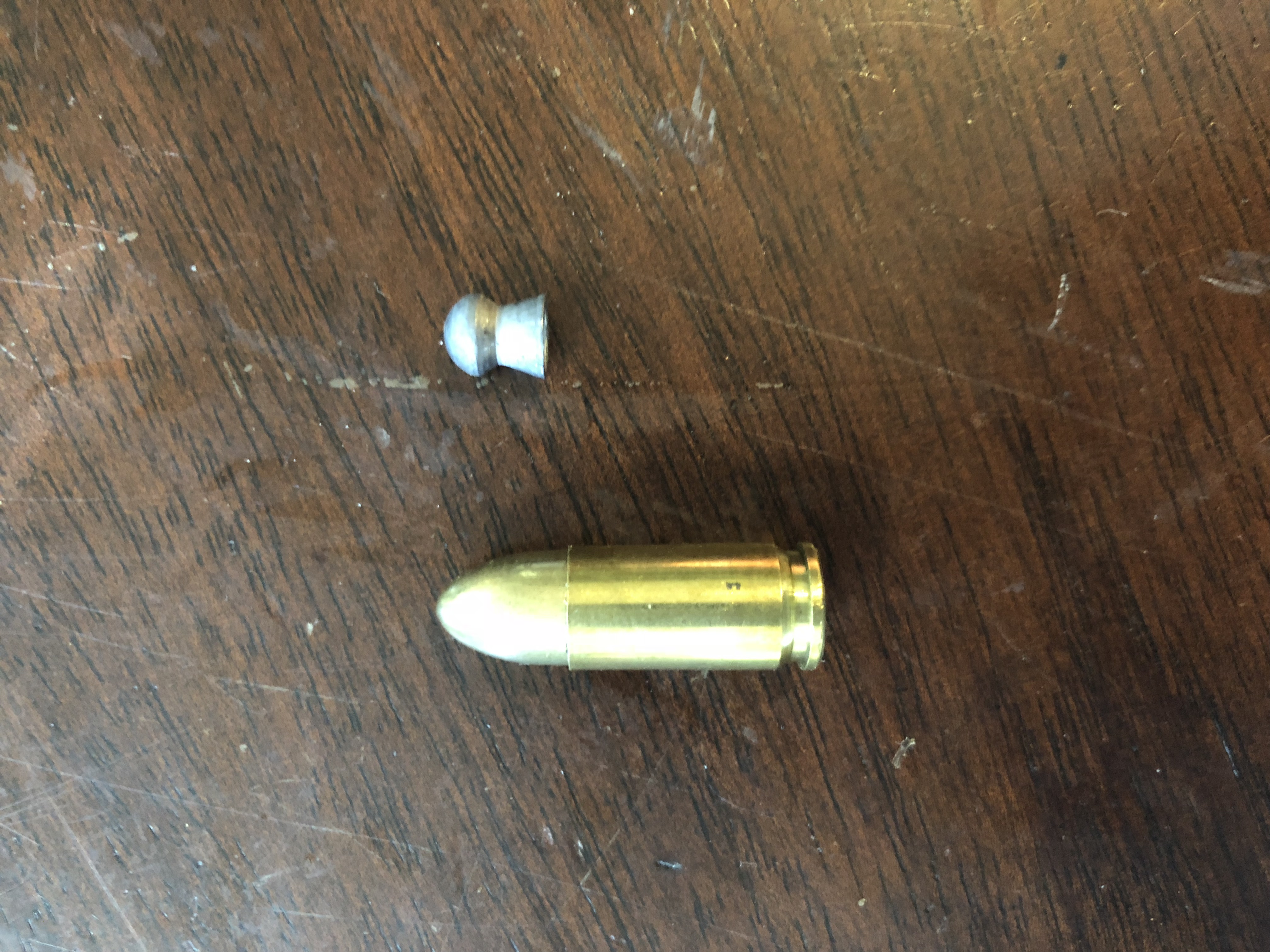
Your rifle’s chamber dimensions and rifling twist rate physically constrain which factory bullet weight will stabilize and align correctly. A tighter chamber throat reduces bullet jump, allowing longer, heavier projectiles to seat closer to the lands for consistent ignition. Meanwhile, **twist rate 7.62x54R Ammo for Sale determines the maximum bullet length you can stabilize** at a given velocity; a slower 1:12 twist handles lighter bullets, while a 1:7 twist is mandatory for heavy, long-for-weight options. Matching factory ammo to these specifications prevents keyholing or pressure spikes. If your chamber is generous or your twist is slow, lighter bullets will produce superior accuracy by remaining within the design envelope.
How to Read Lot Numbers and Headstamps to Identify Consistent Batches
To secure consistent factory new ammo batches, always decode the lot number printed on the box flap or case label—this alphanumeric string identifies the exact production run, so matching your purchased boxes to the same lot guarantees identical powder charges, bullet seating, and case dimensions. Check the headstamp on the cartridge base for the manufacturer’s mark and caliber, but note that headstamps rarely change batch details; they confirm only brand and cartridge type. When buying multiple boxes, physically compare the lot numbers before purchase, and avoid mixing lots for precision work, since even slight variances between runs shift point of impact.
Testing a Small Sample: The 10-Round Method to Confirm Your Gun Likes It
To confirm your firearm’s compatibility with 7.62×51 Ammo for Sale a specific factory new lot, fire exactly ten rounds from a rested position, pausing between shots to let the barrel cool. This 10-round method to confirm your gun likes it reveals consistency in point-of-impact shifts without wasting costly ammunition. After the tenth shot, inspect the target for a tight, repeatable group; if the spread exceeds your standard deviation for that distance, the load likely won’t improve with further testing. Even a flawless ten-round group doesn’t guarantee long-term reliability, but it does validate initial accuracy potential before you commit to a bulk purchase. Use the same magazine, optic, and shooting stance for every shot, as variable technique will invalidate the sample’s meaning.
Practical Tips for Shooting and Carrying Newly Manufactured Rounds
When shooting freshly manufactured factory ammo, begin with a thorough visual inspection of each round—check for bright primer sealant and uniform crimp, as these indicate proper assembly. Load a full magazine and fire your first few shots slowly to confirm consistent cycling, since new brass can be slightly stiffer in the chamber before it fire-forms. For carry, avoid repeatedly chambering the same factory round, as the bullet can set back into the case from inertia, risking pressure spikes; rotate your top round weekly to maintain optimal neck tension. Remember that brand-new ammunition often performs at its peak only after the barrel and action have been fouled with a few dozen rounds, so 5.7x28mm Ammo for Sale don’t judge accuracy from your first mag. Store carried rounds in a hard case or pouch to protect the bullet tips from deformation, and always trust your ejection pattern—consistent, crisp extraction means your factory loads are within safe pressure windows. Cycle your carry ammo every two months, firing the old rounds at the range to ensure reliable ignition and primer sensitivity remain intact.
Proper Break-In Procedures When Using Fresh Ammo in a New Barrel
When pairing fresh ammo with a new barrel, your break-in procedure should mirror the round’s burn characteristics, not a generic routine. Fire a single round, then clean the bore to remove copper fouling before it bonds—this lets the factory-new lands seat uniformly. Alternate between one shot and a patch for the first ten rounds, then shift to three-round groups with a solvent-soaked pass between each. This matters because freshly manufactured rounds often have slightly harder jackets; the heat cycling from rapid strings can glaze carbon into micro-imperfections of a virgin barrel. Let the metal cool between magazines, and avoid lubricating the chamber—fresh ammo’s sealant can mix with oil and cause pressure spikes.
Single shots, meticulous cleaning, and cooling periods define a proper break-in with new ammo and a new barrel—never rush the first 50 rounds.
Avoiding Misfires: How to Store Primers Away from Heat and Oil Vapors
Even with factory new ammo, your primers are sensitive to their environment. Keep your boxes away from heaters, direct sunlight, or the hot trunk of your car—heat degrades the priming compound, leading to weak ignition or a click instead of a bang. Equally important, oil vapors from solvents or gun cleaning sprays can seep through the cardboard and kill the primer’s sensitivity. Store rounds in a cool, dry spot, sealed in their original tray or a plastic ammo can, and always wipe down your hands before .17 WSM Ammo for Sale handling them. This simple routine prevents frustrating misfires at the range.
Store primers in cool, dry 7.62×39 Ammo for Sale places, far from heat sources and any oil or solvent vapors, to keep your factory new rounds firing reliably every time.
What to Do With Leftover Cartridges After a Range Session to Keep Them Factory-Fresh
After a range session, don’t just toss those unfired rounds back into a pocket or loose pouch—that’s how dents and grime happen. Instead, inspect each cartridge for deep scratches, dents, or lube that attracted carbon dust; if they look clean, wipe them with a dry microfiber cloth to remove residue. Return them to their original tray or a dedicated reloading block, and store the box in a sealed ammo can with a silica gel pack. Keep them in a cool, dry spot away from direct sunlight. This habit—**preserving factory-new ammunition integrity**—means your leftovers stay reliable, corrosion-free, and ready for the next trip without any funk or feeding issues.
Getting the Best Value from Buying Fresh Production Lots
Getting the best value from buying fresh production lots of factory new ammo means checking the lot number printed on the box before purchase. A fresh lot, typically produced within the last few months, ensures consistent primer sensitivity and powder burn rates, reducing the chance of velocity outliers that waste range time. Buyers should ask retailers for the newest lot on the shelf, not just the first box pulled. When testing a new lot, purchase only a small sample—say 40 rounds—to verify zero shift and function in your specific firearm before committing to a bulk case.
If the sample groups tighter than your previous lot, buy the remainder from that exact lot number to lock in matching ballistics.
Avoid mixing fresh and old lots in the same magazine or reloading session, as slight dimensional differences can cause feeding issues, undermining the cost-per-round value of fresh ammo.
Bulk Buying on a Schedule: When to Restock So You Never Shoot Older Stock First
To prevent shooting older stock first, schedule restocks before your current lot drops below 25% of its original count, not at empty. Mark each factory-new case with its purchase date and lot number on the box flap in permanent marker, then rotate from the oldest date forward as your sole retrieval rule. When you open a new lot, immediately transfer the entire older lot into a dedicated “consume-first” bin, and place new ammunition behind it, so the physical arrangement enforces the rotation without thought. Time resupply for the same month you expect to breach that 25% threshold, accounting for shipping delays of 5–10 business days, ensuring you never exhaust one lot before the next arrives. This scheduled rotation buffer preserves consistent ballistics and avoids mixing unknown ages in your magazine.
Comparing Full Metal Jacket, Hollow Point, and Match Loads Within the Same New Line
When you grab a fresh production lot from a single new line, comparing FMJ, hollow point, and match loads reveals how the same brass and primer behave differently. The FMJ typically gives you consistent, cheap plinking data, while the hollow point often opens up slightly larger groups due to its exposed lead nose. Match loads, however, usually shrink your spread because the bullet’s uniformity is tighter. Lot-to-lot consistency matters here: if you test all three from the same box, you can pick the best performer for your gun without chasing different batches. It’s a smart way to buy factory new ammo and skip guesswork.
- Shoot all three from the same lot to isolate bullet design, not manufacturing variance.
- Check velocity spread—match loads often have lower extreme spreads than FMJ or HP.
- Use the same target distance and rest for a fair head-to-head comparison.

Simple Logs to Track Which Fresh Batch Performs Best in Each of Your Firearms
When buying factory new ammo by the fresh production lot, keep a simple log per firearm to isolate batch-specific behavior. Record the lot number, round count fired, and your target’s group size at a fixed distance for each new purchase. Note any velocity shifts, ejection pattern changes, or pressure signs on the brass, then compare those notes alongside your baseline accuracy data. Simple logs to track which fresh batch performs best let you rank lots by consistency rather than anecdotal feel, saving you from stocking up on an underperforming run. Over time, your log reveals that a lot which shoots tight in one barrel may wander in another, so never assume universal performance.
- Write the lot number directly on the ammo box before your first range session.
- Log group size averages and extreme spread after every five-shot string per firearm.
- Record temperature and cleaning schedule, as both skew batch comparisons.
- Re-test your top two lots at 100 yards after 200 rounds of barrel wear.