
Your Guide to Safe and Fun Casino Gambling Online
Tired of the same old routines and craving some excitement? Casino gambling offers a thrilling escape where you can test your luck and skill against the house. Simply place a bet on games like slots, blackjack, or roulette, and wait to see if fortune smiles on you. The main benefit is the chance to win real money while enjoying an electrifying atmosphere and the potential for big payouts.
The Mechanics Behind Modern House Odds
Modern house odds are engineered through a precise mathematical edge baked into every game’s structure, not luck. In roulette, the extra green zero (or double zero) ensures the house edge mechanics pay winning bets at less than true probability, guaranteeing a long-term profit. Slot machines use a Random Number Generator and a fixed paytable, where the casino gambling payout ratio is algorithmically set below 100%. In blackjack, the dealer acting last and winning pushes on ties creates the house’s built-in advantage. Every spin, hand, or roll is a calculated probability trap, where the odds are permanently tilted against the player through core game design, not chance.
How Random Number Generators Shape Digital Outcomes
In digital casino games, Random Number Generators (RNGs) constantly churn out sequences to decide every spin, deal, or dice roll. This software ensures each outcome is independent, meaning a previous loss or win has zero influence on the next result. For you, this creates unpredictable digital outcomes that mimic true randomness, making strategy around timing useless. While the house edge remains mathematically fixed over millions of plays, the RNG makes short-term play feel chaotic, with wild swings that keep each session unique and purely chance-driven.
Physical Table Games vs. Automated Systems: Probability Differences
Physical table games rely on fixed, deterministic rules—like the roulette wheel’s 38 slots—where each spin or card draw follows pure mathematical probability, giving you a stable, predictable house edge. Automated systems, such as digital slots or video poker, introduce random number generators (RNGs) that create outcomes from complex algorithms, not physical mechanics. This key difference means automated games can subtly adjust win frequencies or jackpot cycles beyond simple odds, while physical tables maintain constant, transparent probabilities you can calculate in real-time. Understanding this gap empowers you to choose when your odds are truly static versus algorithmically influenced.
The Role of Payout Percentages in Long-Term Play
Payout percentages, often called Return to Player (RTP), are the mathematical backbone dictating your bankroll’s lifespan during extended sessions. Unlike short-term luck, these fixed rates ensure the house edge compounds relentlessly over time. A slot with a 96% RTP will, on average, return $96 for every $100 wagered, meaning you lose $4 per cycle. This small churn gnaws at your funds across thousands of spins. Choosing games with higher RTP for sustained sessions directly slows this erosion, as even a 1% difference shifts the long-term probability curve significantly in your favor.
Payout percentages define the inevitable erosion of your bankroll—the higher the RTP, the longer your stake survives the house’s mathematical grind.
Slot Machines: From Mechanical Reels to Video Screens
Modern slot machines have evolved from physical three-reel contraptions into video-driven terminals that dominate casino floors. Mechanical slots used a simple lever and spinning symbols, whereas video screens now employ random number generators to determine outcomes. This shift allows for complex bonus rounds, multi-line play, and immersive themes. Why did casinos transition to video slots? — Because they offer greater flexibility in game design, higher payout frequencies through numerous paylines, and easier maintenance than mechanical parts. Players primarily interact with a touchscreen, selecting bet sizes and initiating spins digitally, which makes the experience faster but retains the core chance-based gambling loop.
Understanding Paytables and Volatility Ratings
Mastering slot play hinges on decoding paytables and volatility. The paytable reveals every winning combination, symbol values, and bonus triggers, letting you calculate potential returns before you spin. Volatility ratings dictate your risk: low volatility games dish out frequent small wins, stretching your bankroll, while high volatility slots offer rare but massive payouts. Match a low-volatility title with a tight paytable for steady play, or chase life-changing jackpots with high-volatility machines that demand patience. Understanding these two factors transforms blind luck into a strategic session, empowering you to choose games that align with your gambling style and budget.
Progressive Jackpots and How They Accumulate
A tiny fraction of every bet placed across a network of linked machines feeds directly into a single, growing prize pool, which is the core mechanic of how progressive jackpots accumulate. Unlike fixed payouts, this meter climbs relentlessly until one lucky spin triggers the full amount. Because the network can span hundreds of slots across multiple casinos, the jackpot can swell into life-changing sums within hours. Once hit, the prize resets to a base level and immediately begins accumulating again from fresh wagers.
Bonus Features and Their True Value to Players
Bonus features transform digital reels from passive spins into interactive experiences. Free spins, pick-and-click games, and cascading reels offer players amplified win potential without additional cost, making every trigger a moment of heightened anticipation. The true value lies in how these features break monotony, delivering sustained player engagement through unpredictable jackpots or multipliers that can multiply a base bet significantly. A well-designed bonus round turns a losing session into a memorable, profitable narrative, giving players a tangible chance to control their fate beyond simple luck.
Bonus features are the heart of modern slots, offering not just extra rewards but dynamic, player-driven thrills that can turn a routine spin into a standout win.
Table Games That Define the Floor
The table games that define the floor are the pulsating heart of any serious casino, separating the casual slot player from the true gambler. Blackjack is the undeniable king, offering a pure blend of skill and chance where basic strategy can directly shift the house edge. Craps commands the most energy, with its communal betting and complex prop wagers drawing crowds around a simple dice toss. Roulette provides a slower, more hypnotic rhythm, where chip placement on a spinning wheel creates moments of pure suspense. Finally, baccarat exudes quiet prestige, its straightforward player/banker bets attracting high rollers seeking fast, decisive action. These table games that define the floor demand you know the rules, understand the odds, and accept the risk for the most authentic casino experience.
Blackjack Strategy: Basic Rules vs. Card Counting
Blackjack really shines as a floor staple because two distinct strategies let you play your way. Basic rules focus on perfect basic strategy for blackjack, a chart you memorize that tells you when to hit, stand, split, or double based on your hand and the dealer’s upcard. This method alone can drop the house edge to below 1%. Card counting flips the script, tracking high vs. low cards to gauge when the remaining deck favors you. It’s a practical, riskier skill requiring intense focus and a bigger bankroll—at odds with the simple, steady rhythm of basic rules.
Roulette Variations and the Impact of Zero Pockets
Roulette variations hinge on the number of zero pockets on the wheel, which directly dictates the house edge. In European Roulette, a single zero pocket creates a 2.70% house advantage, while American Roulette’s additional double zero pocket doubles that edge to 5.26%. For the player, the practical impact is stark: single-zero roulette rules preserve bankroll longer. Some tables feature „En Prison” or „La Partage” rules, which return half the even-money bet when the ball lands on zero, effectively cutting the house edge on those wagers to 1.35%. A clear sequence for evaluating zero-pocket impact is:
- Identify the number of zero pockets—one or two.
- Check for special zero rules like En Prison or La Partage.
- Calculate the effective house edge for your intended bet type.
Craps: Betting Options and Dice Probability Basics
Craps offers a range of betting options grounded in dice probability basics, with the Pass Line bet providing the lowest house edge at 1.41% by wagering on the shooter’s point. Understanding that two dice yield 36 possible combinations—where a 7 is six times more likely than a 2 (6:1 vs. 36:1 odds)—directly informs strategic choices. Place bets on 6 or 8 carry a 1.52% house edge due to their favorable 5:6 payout ratios, while Proposition bets feature double-digit house edges, making them high-risk.
- Pass Line and Come bets rely on the 7’s high probability for natural wins.
- Odds bets offer true payouts with zero house edge, based on exact dice combinations.
- Field bets favor rolls of 2, 3, 4, 9, 10, 11, or 12, with a 44.44% win probability.
Poker Rooms and Skill-Based Environments
Poker rooms stand apart in a casino because you’re not playing against the house—you’re matched against other players, and your edge comes from reading opponents and calculating odds, not luck. This skill-based environment rewards patience and strategy, making each hand a mental duel.
The key insight: your long-term success depends less on the cards you’re dealt and more on how you play the person across the table.
In contrast to slots or roulette, where the house always holds the statistical advantage, a poker room levels the field—letting disciplined players turn their knowledge into consistent profit over time if they manage their bankroll and avoid tilt.
Texas Hold’em vs. Omaha: Structural Differences
In Texas Hold’em, each player receives two private hole cards and combines them with five community cards to form the best five-card hand, compelling a precise focus on positional play and hand reading. Omaha structurally differs by dealing four hole cards, requiring players to use exactly two of them with three community cards, dramatically increasing hand combinations and pot equity calculations. This forces players into higher-variance post-flop scenarios where draws are more powerful and made hands are less certain. The dealer button and blind structure remain identical across both games, but Omaha’s hole-card flexibility demands rigorous starting hand selection, as marginal hands in Hold’em become potent drawing prospects in Omaha.
- Texas Hold’em uses two hole cards; Omaha uses four, each with a two-card usage constraint.
- Omaha produces more frequent straight and flush draws due to the increased combination of hole cards.
- Hand strength in Hold’em is more static post-flop, while Omaha requires constant reassessment of nut-drawing potential.
Tournament Play vs. Cash Games: Risk Profiles
Tournament play and cash games diverge sharply in risk profile. In a cash game, chips represent real money at all times; you can leave anytime, limiting losses. Conversely, tournament risk is locked until elimination, creating a higher variance cluster. ICM (Independent Chip Model) pressure distorts risk, as chip preservation often outweighs chip accumulation near pay jumps. The sequence:
- Enter with a fixed buy-in, accepting a zero return if eliminated early.
- Survive to the money, where risk shifts to laddering up for exponential pay jumps.
- Face extreme risk-reward decisions on final tables, where bubble factors dictate cautious aggression.
Cash games reward patient, low-variance grinding; tournaments demand calculated risk-taking against a nonlinear payout structure.
The Importance of Position and Bluffing Dynamics
In poker rooms, position leverage and bluffing frequency are intrinsically linked, as acting last provides critical information before committing chips. A late position allows a player to observe opponents’ bet sizes and hesitations, making bluffs more credible because they appear to have controlled the hand’s action. Conversely, attempting a bluff from early position is statistically riskier, as multiple players remain to counteract. Skilled players exploit this dynamic by increasing their bluffing range when seated in late position, while tightening from early position. This positional awareness transforms bluffing from guesswork into a calculated tool, directly impacting win rates in skill-based environments.
Live Dealer Experiences in the Digital Age
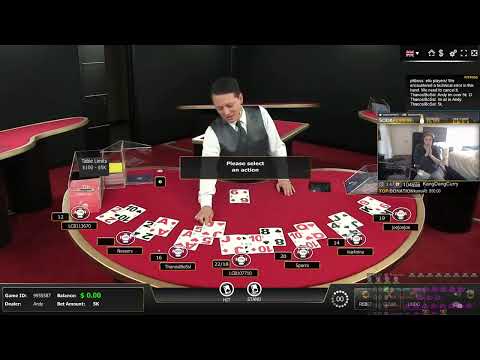
Live dealer experiences in the digital age bridge the gap between online convenience and authentic casino gambling. Players stream real-time blackjack, roulette, or baccarat from a studio, interacting with a human dealer via chat. The key practical benefit is transparency—physical cards and wheels eliminate algorithm skepticism. Digital age live dealer technology allows touchscreen betting and side bets, while HD cameras offer multiple angles. Unlike automated games, you can adjust strategy based on the dealer’s shuffle speed or table atmosphere. Latency is minimal, and most platforms support mobile play, so you gamble from anywhere without losing the social, tactile feel of a land-based casino floor.
Streaming Technology and Real-Time Interaction
High-definition cameras and low-latency streams create a near-instant connection with a real dealer. This real-time interaction lets you chat, place side bets, or request card cuts as if sitting at the felt. The best platforms use multiple angles and optical character recognition to display live game stats automatically. Reliable streaming prevents lag, keeping the pace natural and fair.
- Multi-camera views let you watch the shoe or wheel from any angle.
- Live chat with dealers and other players mimics a physical table’s social vibe.
- Interactive touchscreens or click-to-act menus let you control bets instantly.
Baccarat and Other High-Stakes Table Offerings
In live dealer settings, high-stakes baccarat tables attract players seeking minimal house edges on banker and player bets, with real-time card shuffling streamed from dedicated studios. Other high-stakes table offerings, such as unlimited blackjack or VIP roulette, allow custom bet limits far exceeding standard digital versions, often reaching tens of thousands per hand. These tables provide exclusive camera angles and dedicated dealers, with baccarat’s speed favoring repetitive “squeeze” rituals while blackjack requires strategic chip placement. The practical focus remains on tactile card handling and immediate chip settlements, with no automated seed generation to interrupt the flow.
Mobile Compatibility and User Interface Design

Modern live dealer platforms prioritize responsive cross-device optimization, ensuring touch interactions like chip placement and bet confirmation translate fluidly from desktop to mobile. UI design condenses the dealer video feed, bet limits, and chat into a thumb-friendly grid, often using scalable overlays rather than cramped menus. Layouts reconfigure mid-session to prioritize portrait orientation, keeping action buttons accessible without obscuring the streaming window. Input latency is minimized to sub-200ms, while dynamic font scaling adjusts odds tables for smaller screens. A critical design choice is balancing real-time video quality with interface responsiveness, avoiding visual clutter that fractures the player’s focus on the dealer’s physical actions.
Bankroll Management for Sustained Play
Bankroll management for sustained play is the single skill that separates recreational fun from financial disaster. Treat your bankroll as a non-negotiable session budget, never money for bills or necessities. Before hitting the felt or reels, allocate a strict percentage you can lose entirely—this is your „buy-in.” Once it’s gone, walk away; chasing losses is the fastest route to bust. A key rule is the 1-5% bet limit: never risk more than 5% of your bankroll on a single spin or hand.
Smart players grind with small bets, letting patience absorb variance rather than trying to recover in one desperate wager.
This discipline ensures you survive the inevitable losing streaks and capitalize when luck turns your way, keeping you in the action longer without risking a catastrophic hit.
Setting Loss Limits and Win Goals Before Starting
Before any spin or hand, define your maximum loss for the session and a realistic win goal that triggers a stop. This predetermined exit strategy prevents emotional chasing after losses or greed after a hot streak. Your loss limit should be an amount you can afford to lose without impacting your finances. Your win goal might be 20-50% of your starting bankroll. Once either boundary is hit, walk away immediately to lock in profit or cap damage.
- Set a hard loss limit (e.g., 25% of your session bankroll) before you begin.
- Establish a win goal (e.g., 40% profit) and commit to leaving upon reaching it.
- Write down both limits to avoid rationalizing a change mid-session.
Betting Systems Like Martingale and Fibonacci
Betting systems like Martingale and Fibonacci are rigid staking plans, not strategies to overcome the house edge. The Martingale system requires doubling your bet after every loss to recover previous deficits, but its exponential growth rapidly encounters table limits or bankroll depletion. The casinous Fibonacci sequence, where you increase bets following a numerical progression after losses, is less aggressive but still relies on a winning streak to recoup losses. Both systems are futile against games with negative expectation; they merely alter risk timing, not long-term outcome. Effective bankroll management treats these as structured entertainment methods, ensuring you never risk more than a small percentage of your total funds on a single session.

The Psychology of Chasing Losses and Emotional Control
Chasing losses is driven by the cognitive distortion of sunk cost, where the gambler escalates bets to recover previous losses, ignoring future probability. Emotional control erodes when the amygdala hijacks prefrontal cortex function, replacing rational stop-loss rules with irrational hope. This feedback loop intensifies as losses mount, lowering decision-making thresholds. Effective bankroll management requires pre-committing to loss limits while monitoring physiological cues like increased heart rate, which signal emotional dysregulation.
Chasing losses stems from a sunk-cost fallacy amplified by emotional arousal; sustained control depends on pre-set limits and physiological self-awareness.
Bonuses, Rewards, and Player Incentives
In casino gambling, welcome bonuses multiply your initial deposit, giving you more chips to play with immediately. Cashback rewards refund a percentage of your net losses over a set period, softening the sting of an unlucky streak. Loyalty programs tier up based on your wagering volume, unlocking perks like faster withdrawals, dedicated account managers, and exclusive tournament invites. Always scrutinize the wagering requirements attached to these offers, as they dictate the true value of the incentive. Free spins on slots or no-deposit bonuses can jumpstart your session risk-free, but read the game restrictions closely before you tap into them.
Welcome Offers and Wagering Requirements Explained
Welcome offers in casino gambling present new players with matched deposits or free spins, but their true value hinges on wagering requirements. These requirements dictate how many times the bonus amount—plus often the deposit—must be staked before withdrawal. A common 35x playthrough on a $100 bonus requires $3,500 in bets; slots typically contribute 100%, while table games may count far less. Failing to understand these playthrough conditions leads to forfeited winnings. Always check the qualifying games and time limits to avoid overturning initial gains into losses.
Loyalty Programs and Comp Points Accumulation
Loyalty programs reward your regular play with comp points accumulation, which you can exchange for free play, meals, or hotel stays. Every dollar wagered typically earns a set number of points, though slot play often earns faster than table games. It’s smarter to focus on one casino’s program rather than splitting your action across several. Check your tier status, as higher levels unlock multipliers that speed up point earning and unlock exclusive comps like event tickets.
Free Spins, Cashback, and No-Deposit Promotions
Free Spins, Cashback, and No-Deposit Promotions offer immediate, low-risk ways to extend your play. No-deposit bonuses let you explore real slots without funding your account, while free spins target specific games with set wagering requirements. Cashback returns a percentage of your net losses, softening bad sessions. To maximize value:
- Always read wagering terms for free spins and no-deposit offers.
- Prioritize cashback with no turnover requirements.
- Use no-deposit promotions to test software reliability before depositing.
Focusing on low-wagering free spins ensures you keep more of your winnings.
Regulatory Frameworks and Fair Play Standards
Regulatory frameworks for casino gambling mandate that all games of chance utilize certified Random Number Generators to ensure unpredictable outcomes. These standards require independent testing agencies to audit payout percentages, confirming that the house edge remains within legally defined limits. Fair play protocols enforce transparent game rules and prohibit manipulation of odds, with mandatory disclosure of theoretical return-to-player rates for every game. Players are protected by requirements for secure transaction processing and dispute resolution mechanisms. Behavioral analytics under these frameworks also flag irregular betting patterns to prevent collusion or system exploitation. Adherence to these standards means the casino cannot alter game physics mid-session, guaranteeing that skill-based elements, where applicable, remain unaffected by software interference.
Licensing Authorities and Their Enforcement Power
Licensing authorities wield enforcement power to ensure casinos operate under strict, verifiable conditions. They conduct unannounced inspections, audit payout percentages, and review surveillance footage for compliance. If a licensee violates protocols—like allowing underage play or manipulating game outcomes—the authority can impose immediate fines, suspend operations, or revoke the license entirely. This power compels casinos to maintain transparent, fair environments, making it a player’s primary assurance that the games are trustworthy and that the operator will face real consequences for misconduct.
Geographic Restrictions and Legal Gray Areas
Geographic restrictions create immediate legal gray areas for players, as their physical location determines which casino platforms are accessible and enforceable. A game legally available in one country may constitute an unregulated, risky activity just across a border, leaving users in a jurisdictional void with no consumer protections. These boundaries are often blurred by VPN use or offshore servers, where a player’s IP address becomes a liability rather than a safeguard. Navigating this patchwork requires verifying the specific legality of your exact jurisdiction before depositing funds, as an accepted wager in one state might be unrecoverable debt in another.
Responsible Gaming Tools and Self-Exclusion Options
Effective responsible gambling controls empower you to set firm boundaries before play begins. Tools like deposit caps, loss limits, and session timers allow you to manage spending and time proactively. For serious intervention, self-exclusion options let you voluntarily block access to all casino services for a chosen period, often ranging from months to years. This cooling-off period is legally binding at that operator. What makes a self-exclusion program effective? It removes the ability to reverse the restriction impulsively, creating a necessary barrier between you and immediate gaming access. Using these tools maintains control, not restricts freedom.
Mobile Wagers and the Rise of App-Based Action
The big shift in casino gambling is the sheer convenience of app-based betting. Instead of dressing up for a trip, you can now drop a wager from your couch or during a commute. These mobile interfaces mimic the feel of a real table, often letting you place bets with a single tap. The speed is addictive—live dealer games stream right to your phone, letting you react to cards or spins in real-time. This rise of mobile wagering means your casino experience is always in your pocket, turning any idle moment into an opportunity to gamble. Just be mindful that instant access can make it harder to track how much you are really spending.
Touchscreen Navigation and One-Tap Betting
Touchscreen navigation in casino apps prioritizes gestural efficiency, with swipes replacing multi-click sequences for game selection. One-tap betting leverages this by minimizing input friction: a single press confirms a wager using pre-set stake values, bypassing confirmation pop-ups. This logical progression from visual scan to instant bet reduces cognitive load during fast-paced rounds. The instant-action interface relies on capacitive touch responsiveness and thumb-reachable button placement, ensuring no lag between intent and execution.
- Swipe gestures enable rapid cycling between game categories without lifting the thumb.
- One-tap bets auto-deduct from a floating bankroll indicator, preventing over-tapping.
- Haptic feedback confirms wager placement, eliminating the need for visual double-checks.
- Edge-to-edge display design prevents accidental bet activation via palm rejection zones.
Push Notifications and Real-Time Updates
Push notifications in casino apps deliver instant alerts for bonus unlocks, game jackpots, or table availability, ensuring you never miss a time-sensitive wager. Real-Time Updates sync bet settlements, live dealer hands, and cash-out options directly to your device, eliminating the need to refresh screens. This immediacy can influence split-second betting decisions, particularly during fast-paced blackjack or roulette rounds. Instant bet confirmation provides clarity on wager acceptance and payout calculations without lag. Combined, these features create a responsive environment where game flow and balance changes feel seamless.
| Push Notifications | Real-Time Updates |
|---|---|
| Proactive alerts for bonuses, jackpots, or table openings | Passive display of live odds, game progress, and account changes |
| Opens app directly to relevant action | Updates existing interface without user action |
Security Measures for Financial Transactions
For casino transactions via mobile wagers, end-to-end encryption scrambles payment data from your device to the server, blocking interception. Two-factor authentication adds a mandatory code sent to your phone, preventing unauthorized deposits. Tokenization replaces your actual card number with a one-use virtual ID during each buy-in. Transaction histories are immutable records, letting you cross-check every bet against your bank statement. Secure socket layer technology verifies the app’s identity before any banking details are transmitted.
Security relies on encryption, tokenization, two-factor authentication, and immutable digital receipts to protect financial flows in app-based gambling.
Psychological Factors That Drive Repeat Visits
Psychological factors driving repeat casino visits hinge on variable rewards and cognitive distortions. The unpredictable, intermittent wins trigger dopamine rushes, making the brain crave the next payoff—a process called the „near-miss effect,” where almost winning feels like progress. Gamblers often fall for the
gambler’s fallacy, believing past losses increase future odds, fueling persistence.
Additionally, „loss chasing” compels players to return to recoup sunk costs, while the immersive, sensory-rich environment creates a dissociative state that erodes time awareness. This cocktail of heightened arousal, illusory control, and conditioned cues strongly reinforces habitual return behavior.
Near-Miss Effects and Dopamine Triggers
Near-miss effects—when a slot reel stops one position short of a jackpot—directly hijack the brain’s dopamine system, mimicking the neural signal of a real win. This spike in dopamine, often triggered by almost-winning outcomes, reinforces the urge to keep spinning, effectively training the gambler to chase that elusive „next spin.” The brain treats a near-miss as a learnable mistake, not a loss, fueling persistent play. Dopamine-driven near-misses can feel more motivating than a small actual win, creating a powerful psychological pull to repeat the action.
Q: Why do near-misses feel so compelling despite not paying out?
Near-misses activate the same reward circuitry as a win, releasing a burst of dopamine that tricks the brain into believing a strategy is working, which drives immediate repeat betting.
The Illusion of Control in Player Decisions
In casino gambling, the illusion of control in player decisions drives repeat visits by making patrons overestimate their influence on random outcomes. Players often believe that choosing a specific slot machine, blowing on dice, or altering bet sizes during a hand can shift odds in their favor. This cognitive bias reinforces engagement, as each „near-miss” or perceived successful choice feels like mastery over a purely probabilistic system. Casinos subtly encourage this by allowing player inputs—like selecting roulette numbers or pressing spin buttons—that have no statistical impact but sustain the false belief. The more players act, the more they feel involved, fueling future sessions despite long-term losses.
The illusion of control in player decisions convinces gamblers that their choices affect chance-based results, prolonging play and repeat visits through a persistent sense of false mastery.
Social Validation and Community in Multiplayer Settings
In casino gambling, the buzz of a multiplayer poker table or a shared slot tournament creates a powerful pull. Seeing others celebrate a win triggers your own excitement, a form of social validation that makes you want to stay and join. You become part of a temporary community, sharing high-fives or commiserating over near-misses. This sense of belonging, of not playing alone, turns a solitary spin into a shared experience. The friendly rivalry and group encouragement make repeat visits feel less like a chore and more like catching up with an old crew.
Future Trends Shaping the Industry
The future of casino gambling is being reshaped by immersive live dealer experiences, where high-definition streams and interactive features let you chat with dealers from your sofa, mimicking the floor’s energy. Meanwhile, skill-based slot machines are trending, blending arcade-style challenges with traditional reels to attract younger players who want control, not just luck. Expect virtual and augmented reality to layer entire casino floors into your living room, letting you walk past digital tables and pick a seat. Personalization will also ramp up, with AI tracking your playstyle to suggest games or bonuses that actually fit your vibe, making every session feel curated just for you.
Cryptocurrency Integration and Blockchain Transparency
Cryptocurrency integration in casino gambling eliminates withdrawal delays by settling bets instantly from a player’s digital wallet, bypassing traditional banking. Blockchain transparency lets you verify every game outcome on a public ledger, ensuring the house cannot alter results retroactively. Smart contracts automate payouts when conditions are met, removing manual dispute resolution entirely.

Q: How do I check if a casino truly uses blockchain transparency?
A: Request the transaction hash for any bet; you can then independently confirm the wager and payout on the blockchain explorer.
Virtual Reality Environments and Immersive Play
Imagine stepping into a digital casino where you can walk up to a craps table, chat with players, and physically toss the dice. Virtual Reality Environments and Immersive Play transform online gambling into a lifelike social experience. You’re not just clicking a button; you’re pulling a slot lever or scanning a poker table for tells. This tech makes remote gambling feel tangible, down to the clatter of chips. Immersive play environments redefine engagement by letting you explore themed rooms or play blackjack from a virtual barstool.
Q: Can I actually walk around a virtual casino floor?
A: Totally! You navigate with your headset or controllers, moving between slots, tables, and even a virtual lounge just like you’d stroll through a real Vegas spot.
Artificial Intelligence for Personalized Experiences
Artificial intelligence reshapes casino gambling by crafting hyper-personalized gameplay journeys. AI analyzes real-time behavior to adjust slot volatility, recommend table games matching skill levels, and trigger bespoke bonus offers precisely when players engage. This technology dynamically tailors difficulty curves and reward schedules, keeping each session uniquely challenging. AI also curates personalized loyalty rewards based on individual activity patterns, not generic tiers. By learning from every spin and bet, AI ensures no two visit experiences feel identical, transforming casual play into a continuously adapted engagement loop.